Home / Raxaul History

Detailed History of Raxaul

Raxaul is a significant border town in Bihar, located on the India–Nepal boundary. Historically, it has been an important trade route connecting the Mithila region of India with Nepal. During the British period, Raxaul developed as a major railway junction, which strengthened cross-border trade and transportation.With the establishment of customs, immigration offices, and cargo movement between Raxaul and Birgunj (Nepal), the town became one of the busiest international trade gateways. Today, Raxaul is known for its strategic location, cultural exchange, and strong economic ties between India and Nepal.

Early Beginnings

Before modern development, the region around Raxaul was covered with forests and scattered villages of local communities. The area lay close to ancient trade routes that connected the plains of Bihar with the Himalayan regions of Nepal. Local farmers, traders, and cross-border communities often passed through this region for trade and cultural exchange.

Colonial Era & Rise of Raxaul

Raxaul’s real transformation began during the British rule in the late 19th and early 20th centuries.

1. Construction of Railways (Early 1900s)

The British identified Raxaul as a strategic location to connect India and Nepal.

  • Around 1901–1904, the Raxaul–Amlekhgunj railway line (later known as the Nepal Government Railway) was constructed.
  • This narrow-gauge line became Nepal’s first and oldest railway, making Raxaul the main entry point for goods, timber, food grains, and daily supplies going into Nepal.

The establishment of Raxaul railway station turned the town into a bustling transport hub.

2. Development of Trade & Customs

  • With railway access, Raxaul soon became an official route for Indo-Nepal trade.
    British authorities set up customs facilities, storage godowns, and transport offices. Nepali traders regularly crossed into Raxaul to purchase goods, while Indian merchants supplied essential items to the Nepal Terai region.

This marked the beginning of Raxaul as a commercial lifeline for Nepal.

Post-Independence Growth (1947–1970s)

After India’s independence, Raxaul continued to grow in importance.

1. Strengthening Indo–Nepal Relations

After India gained independence in 1947, Raxaul continued to grow due to:

    • Improvement of road and rail connectivity
    • Improvement of road and rail connectivity
    • Establishment of warehouses, transport companies, and border-related services

The construction of highways such as NH 28A (now part of NH 27) strengthened its position as a major gateway.

Economic Hub of North Bihar

By the late 20th century, Raxaul became:

  • One of the busiest Indo–Nepal border points

  • A major location for logistics, transport, and customs operations

  • A hub for fuel, food grains, construction materials, FMCG goods, and other import–export items

Trucks, tankers, and cargo movement shaped the town’s daily life.

Social and Cultural Influence

Due to constant interaction between the two countries, Raxaul developed a mixed culture. People speak:

  • Bhojpuri
  • Hindi
  • Nepali

Both Indian and Nepalese festivals, food habits, and lifestyles influence the region.

Modern Raxaul

Today, Raxaul holds significant importance as:

  • A major international trade corridor

  • A gateway connecting India with Nepal’s capital Kathmandu via Birgunj

  • A center for customs, immigration, and transport services

  • International trade & logistics

  • Railway connectivity

  • Border tourism

Strategic importance in India–Nepal relationsWith upcoming infrastructure projects and improved border facilities, Raxaul continues to grow as a gateway between India and Nepal.

Top Popular places in Raxaul

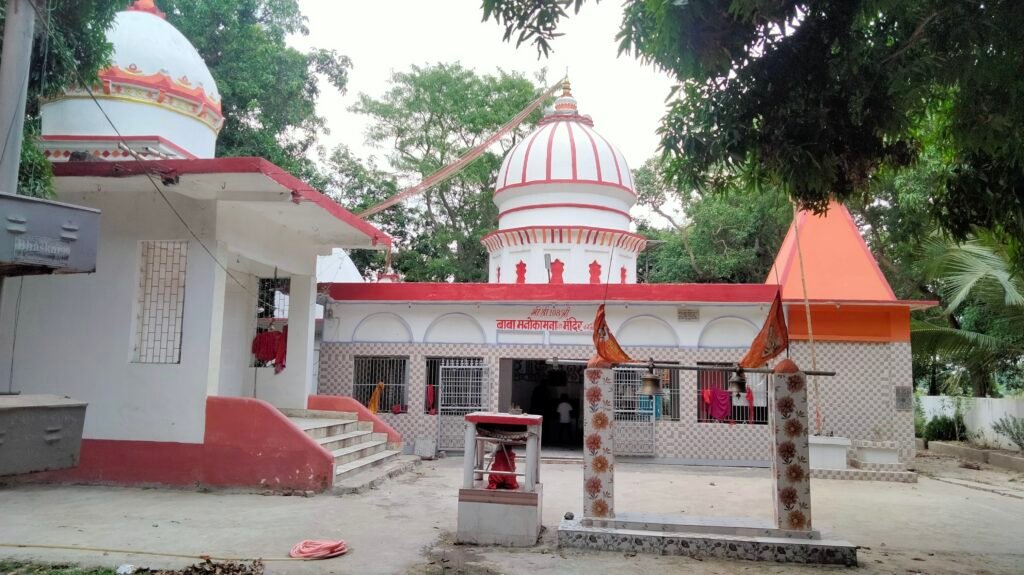
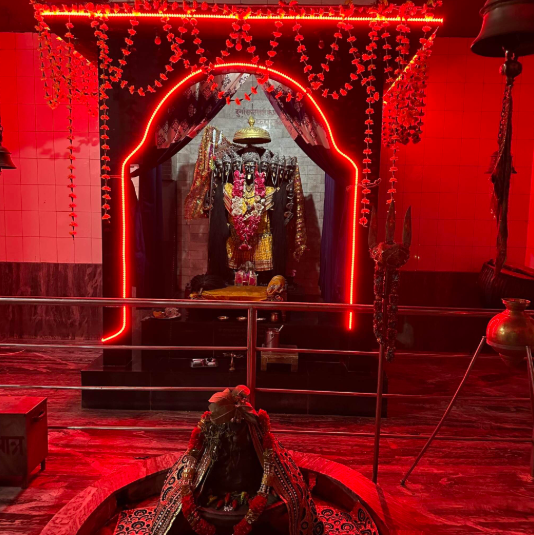
monokamana Madir Raxaul

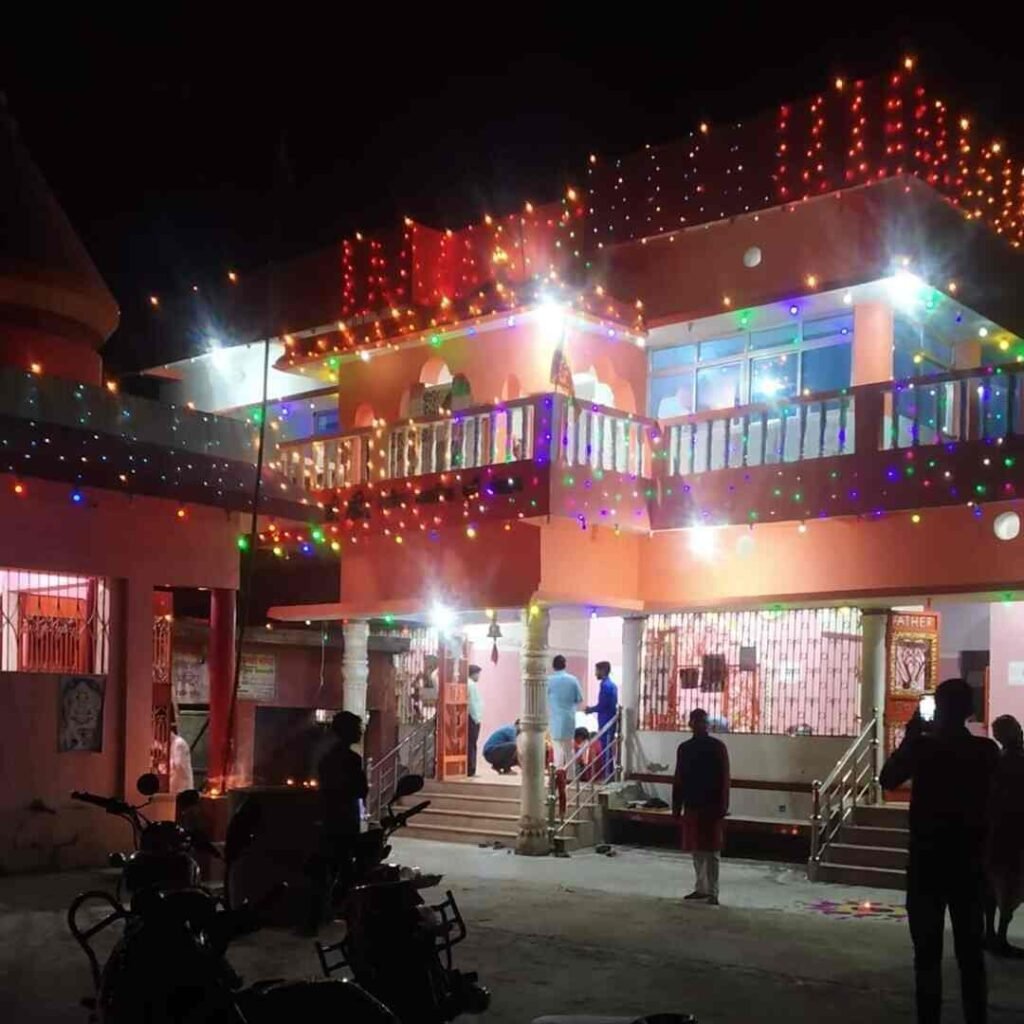
Monokamana Mandir

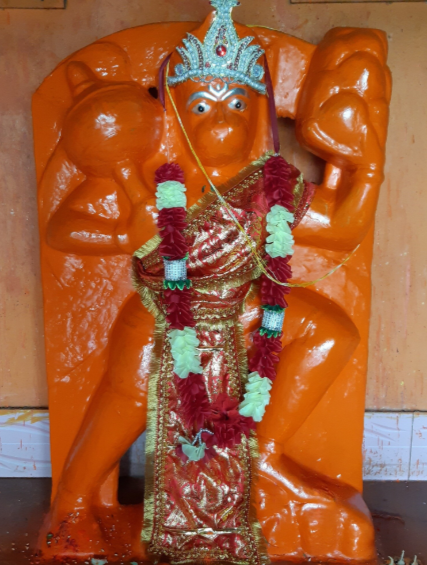
Hanuman Mnadir

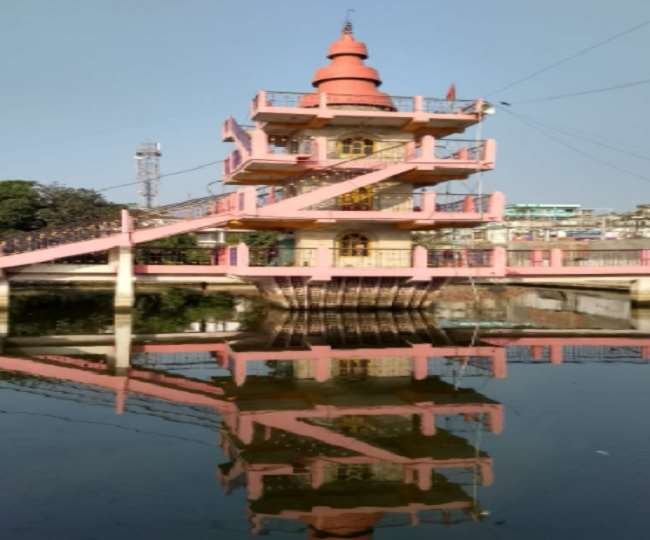
Surya Mandir

Ramjanki Madir

Shani Dev Mandir

Kali Madir

Rajdandi

Leave a Reply

Your email address will not be published. Required fields are marked *

Scroll to Top